

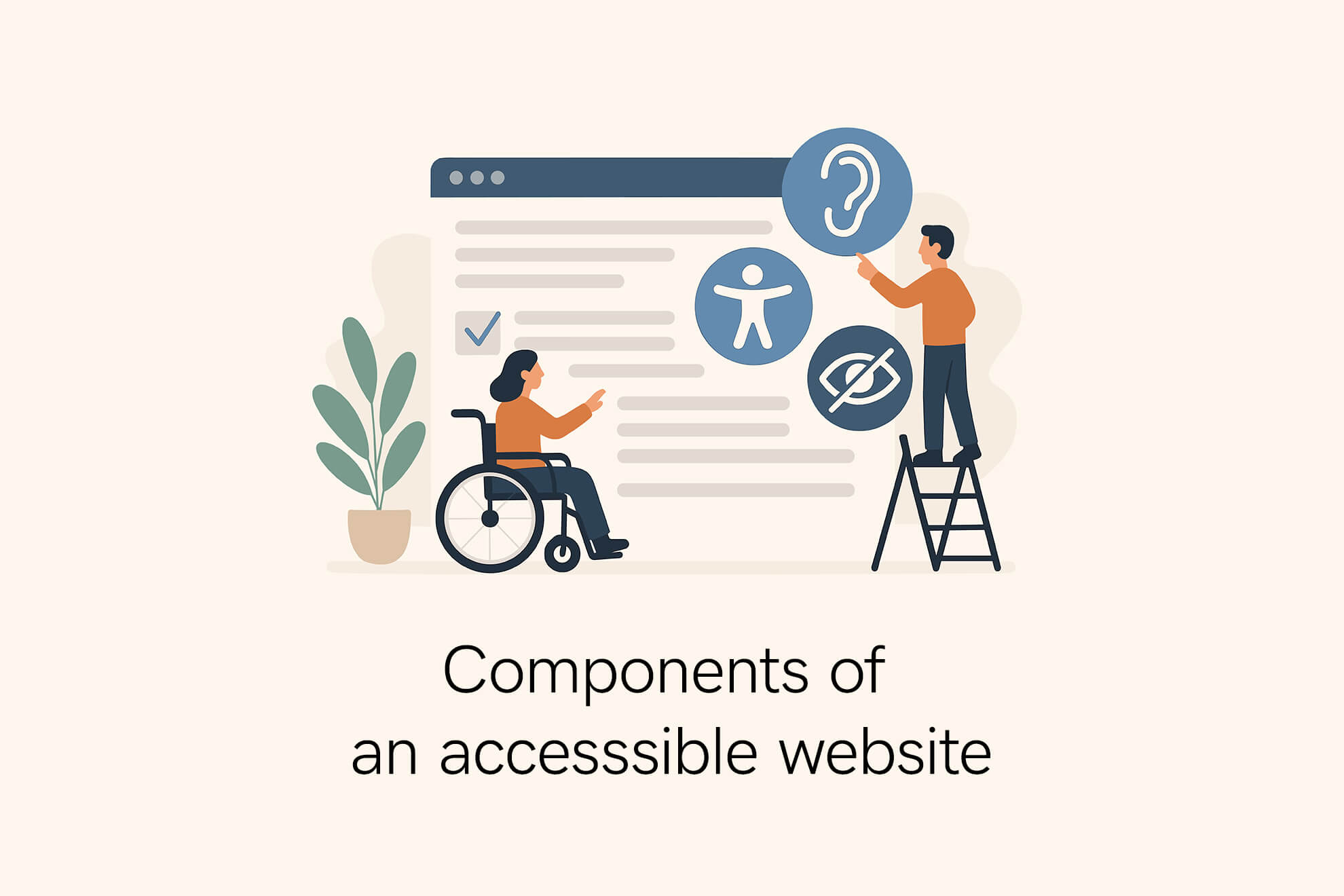
In today’s digital age, accessibility isn’t just about physical spaces; it’s also about ensuring that the web can be used by everyone, regardless of ability. Website accessibility services focus on making websites usable for people with disabilities, which is not only ethically important but also a legal requirement in many regions.
Why Website Accessibility Matters
When we talk about web accessibility, we refer to the practice of removing barriers that prevent interaction with or access to websites by people with various disabilities. These disabilities can range from visual impairments like blindness, low vision, or color blindness, to hearing loss, mobility challenges, cognitive limitations, and even temporary disabilities like a broken arm or situational restrictions like slow internet speeds.
There are around one billion people worldwide who live with some form of disability, representing a significant percentage of the global population. If a website isn’t accessible, it can exclude this large group of users, preventing them from engaging with content, services, or products.
Not only is ensuring web accessibility the right thing to do, but it also makes business sense. By making a website accessible, businesses can tap into a broader audience, enhancing user experience for all while adhering to regulations such as the Americans with Disabilities Act (ADA) in the U.S. or the Web Content Accessibility Guidelines (WCAG) globally.
The Legal Landscape of Web Accessibility
Failing to make websites accessible can result in significant legal consequences. The ADA in the U.S. mandates that businesses, including online businesses, ensure equal access to services and content. As the digital world grows, so too do the expectations for online spaces to follow accessibility standards.
Beyond the ADA, the European Union has its own legislation known as the European Accessibility Act, which covers the digital accessibility needs for all member states. The Web Content Accessibility Guidelines (WCAG), developed by the World Wide Web Consortium (W3C), provide a detailed framework for businesses to ensure their websites meet accessibility standards. These guidelines are divided into four main principles: websites should be perceivable, operable, understandable, and robust.
In short, any business operating a website must ensure compliance with these laws and standards or risk facing penalties, lawsuits, or damage to their reputation.
Key Aspects of Website Accessibility
There are numerous ways that a website can be made more accessible, ensuring that it caters to users with a wide range of needs. Here are some of the key components of web accessibility:
- Keyboard Navigation: Many users with mobility impairments rely on a keyboard rather than a mouse to navigate a website. Ensuring that your site can be fully navigated using a keyboard alone is essential for accessibility.
- Alternative Text for Images: For users who are visually impaired, screen readers are a crucial tool for navigating the web. Screen readers rely on alt text, or alternative text, to describe images. Without alt text, visually impaired users miss out on important visual content that could enhance their experience or understanding of the site.
- Color Contrast: For users with low vision or color blindness, ensuring there is enough contrast between the text and background colors is vital. Text that blends in with the background can be difficult or impossible to read.
- Video and Audio Accessibility: Multimedia content such as videos and podcasts must include captions or transcripts for those who are deaf or hard of hearing. Offering subtitles and transcripts not only benefits users with hearing impairments but also those in noisy environments where audio cannot be easily heard.
- Clear and Consistent Layouts: Cognitive disabilities such as dyslexia can make navigating complex or inconsistent websites difficult. A clean, straightforward design, simple navigation, and predictable layouts make it easier for users with cognitive impairments to engage with your site.
- Responsive Design: Websites should be built to work across a variety of devices and screen sizes, ensuring that users on mobile devices, tablets, or desktops can all have a consistent and accessible experience.
- Error Identification and Suggestions: Forms and other interactive elements should clearly indicate errors and provide users with suggestions to correct them. This is particularly helpful for users with cognitive or visual impairments who may not easily notice or understand errors.
The Role of Website Accessibility Services
Website accessibility services offer specialized expertise in evaluating and improving a website’s accessibility. These services generally follow WCAG guidelines and provide a range of solutions tailored to meet legal requirements and user needs. Website accessibility services can include:
- Accessibility Audits: An audit is the first step toward achieving web accessibility. Experts evaluate the current state of the site, identifying areas that need improvement and testing the site with various assistive technologies, such as screen readers.
- Remediation: After an audit, the necessary changes are made to the website to improve accessibility. This can range from minor adjustments, such as improving alt text and keyboard navigation, to more significant structural changes.
- Ongoing Monitoring and Maintenance: Web accessibility is not a one-time task. As websites grow and evolve, new content must also be accessible. Monitoring tools can continuously assess new content and updates to ensure ongoing compliance.
- User Testing: An essential part of the process involves real-world testing. People with disabilities can provide invaluable feedback, ensuring that the changes made actually enhance their experience.
- Training and Consultation: For long-term accessibility, many website accessibility services provide training for web developers, content creators, and marketers. By educating teams on best practices, businesses can maintain accessible websites as they continue to grow and evolve.
The Benefits of an Accessible Website
Beyond compliance and avoiding legal risks, an accessible website provides numerous other benefits. For one, it improves the overall user experience. Many accessibility features, such as clearer fonts, better navigation, and responsive design, enhance usability for all visitors. When users can navigate a website smoothly, regardless of their abilities, it boosts engagement and satisfaction, leading to higher conversion rates and improved SEO.
Google’s search algorithms prioritize accessible websites, meaning that businesses that invest in accessibility may also see a boost in their search engine rankings. Accessible websites also demonstrate corporate social responsibility and inclusivity, which can enhance a brand’s reputation and foster customer loyalty.
Conclusion
Investing in website accessibility services is not just a legal necessity; it is a strategic business decision. It ensures that all users, regardless of their abilities, can engage with your content, products, or services. By prioritizing accessibility, businesses foster inclusivity, reach a broader audience, and enhance the overall user experience, all while complying with legal standards. In the modern world, an accessible web is an inclusive web—one that everyone can enjoy and benefit from.

