

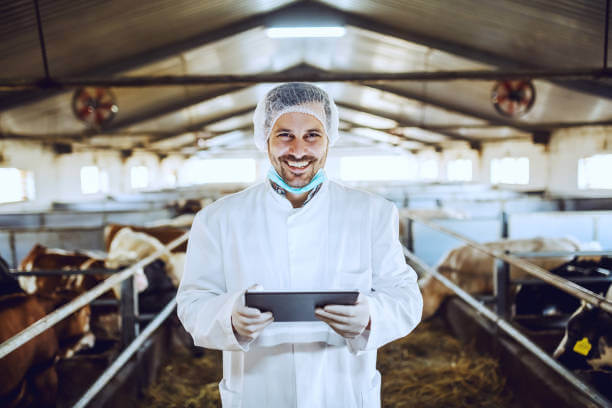
Food security remains one of the most critical challenges facing the modern world. With a rapidly increasing global population and changing environmental conditions, ensuring a stable and sufficient food supply has become a top priority. Agriculture plays a central role in addressing this issue, and animal production is a vital component that contributes significantly to global nutrition. As demand for protein-rich foods continues to rise, the need for efficient and sustainable farming systems becomes even more important.
Understanding Food Security in a Changing World
Food security is defined as the availability, accessibility, and affordability of food for all people at all times. Achieving this goal requires a comprehensive approach that addresses production, distribution, and consumption. Animal production supports food security by providing essential nutrients, including proteins, vitamins, and minerals, which are crucial for human health.
Population Growth and Increasing Demand
The global population is expected to reach unprecedented levels in the coming decades, leading to increased demand for food. This growth places immense pressure on agricultural systems to produce more with limited resources. Animal production must adapt to these challenges by improving efficiency and adopting sustainable practices that ensure consistent output without harming the environment.
Urbanization and Dietary Shifts
Urbanization has led to significant changes in dietary patterns, with more people consuming animal-based products. This shift has increased the demand for livestock products, putting additional pressure on animal production systems. Farmers must respond by enhancing productivity while maintaining sustainability and quality.
Role of Technology in Enhancing Food Security
Technological advancements are playing a crucial role in improving agricultural productivity and ensuring food security. Innovations in farming practices are helping farmers overcome challenges related to resource limitations and climate change.
Precision Agriculture and Smart Systems
Precision agriculture involves the use of advanced technologies such as sensors, GPS, and data analytics to optimize farming practices. These tools enable farmers to monitor conditions in real time and make informed decisions. In 動物プロダクション, precision systems improve efficiency by ensuring optimal feeding, health management, and resource use.
Biotechnology and Genetic Advancements
Biotechnology has opened new possibilities for improving livestock breeds and increasing productivity. Genetic advancements allow for the development of animals that are more resistant to diseases and better adapted to environmental conditions. These improvements enhance the sustainability and efficiency of animal production.
Environmental Sustainability and Food Security
Sustainability is a key factor in achieving long-term food security. Agricultural practices must minimize environmental impact while maintaining productivity.
Reducing Environmental Impact
Farming activities can have significant effects on the environment, including greenhouse gas emissions and resource depletion. Sustainable practices such as efficient feed management and waste reduction help mitigate these impacts. In animal production, reducing emissions and conserving resources are essential for maintaining ecological balance.
Climate Change Adaptation Strategies
Climate change poses a major threat to agriculture, affecting crop yields and livestock productivity. Farmers must adopt strategies such as improved water management, resilient breeds, and adaptive farming techniques. Animal production systems that incorporate these strategies are better equipped to withstand environmental challenges.
Economic Factors Influencing Food Security
Economic stability is essential for ensuring access to food. Farmers must maintain profitability while producing sufficient quantities to meet demand.
Cost Efficiency and Resource Optimization
Efficient use of resources is key to reducing costs and increasing profitability. Innovations in feeding, breeding, and management practices help improve efficiency. In animal production, cost-effective methods ensure that farmers can sustain their operations while contributing to food security.
Market Access and Trade Opportunities
Global trade plays a significant role in food distribution. Access to international markets allows farmers to expand their reach and increase income. Animal production systems that meet quality standards and consumer expectations can benefit from these opportunities.
Social and Ethical Considerations
Food security is not only an economic and environmental issue but also a social and ethical one. Ensuring fair access to food and maintaining ethical standards in farming are crucial aspects of sustainable development.
Animal Welfare and Ethical Practices
Consumers are increasingly concerned about how their food is produced. Ethical treatment of animals has become an important consideration in agriculture. Animal production systems that prioritize welfare and humane practices contribute to better product quality and consumer trust.
Supporting Rural Communities
Agriculture is a major source of employment in rural areas, supporting millions of livelihoods worldwide. Animal production plays a significant role in sustaining these communities by providing income and food security. Investment in rural development is essential for maintaining stable agricultural systems.
Future Innovations and Opportunities
The future of food security depends on continuous innovation and collaboration. New technologies and practices will play a key role in addressing global challenges.
Integration of Renewable Energy
Renewable energy sources such as solar and wind power are becoming increasingly important in agriculture. These technologies reduce energy costs and environmental impact. In animal production, renewable energy can enhance efficiency and support sustainable growth.
Education and Knowledge Sharing
Education is essential for empowering farmers to adopt new practices and technologies. Training programs and knowledge-sharing initiatives help farmers improve their skills and productivity. In animal production, continuous learning is vital for adapting to changing conditions and achieving long-term success.
Conclusion
Ensuring food security in a rapidly changing world is a complex challenge that requires a balanced approach. Animal production remains a cornerstone of the global food system, providing essential nutrients and supporting livelihoods. By embracing sustainable practices, adopting innovative technologies, and addressing economic and social factors, agriculture can meet the growing demand for food while preserving the environment for future generations.

