

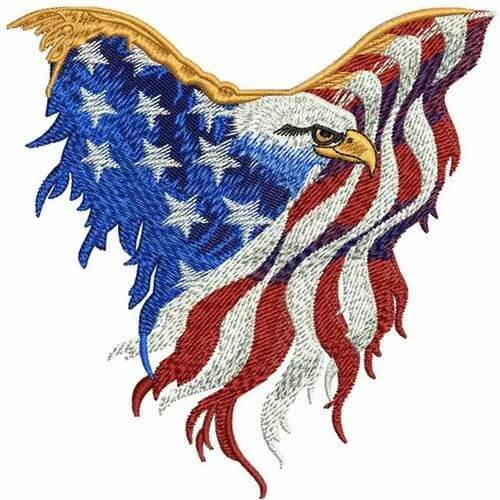
Embroidery may seem easy, but perfect stitching takes skill. Custom Embroidery Digitizing is the secret behind sharp, clean, professional results. It’s not just about turning a design into a file; it controls stitch placement, type, and density. Skip it, and designs can come out uneven, messy, or puckered. Whether you run an embroidery business or stitch at home for fun, understanding digitizing saves time, thread, and frustration. It ensures your designs always look polished and last longer.
What Is Custom Embroidery Digitizing and Why It Matters
So, what exactly is custom embroidery digitizing? It’s converting artwork into a file machine can read. This file tells the machine where to stitch, how long each stitch should be, and the order to follow. Proper digitizing keeps designs crisp, clear, and intact. Professional embroidery digitizing services create accurate embroidery patterns, pick the right stitches, and account for fabric behavior. Skipping this step? Your design could end up distorted or uneven, even if it looks fine on screen.
Stitch Density: The Secret to Smooth Designs
Stitch density is critical. Too dense, and your fabric puckers. Too sparse, and your design looks incomplete. Every fabric behaves differently. Thick fabrics can handle denser stitches, while thinner fabrics need lighter placement. Professionals adjust density depending on hoop size, fabric, and design complexity. The right density makes designs crisp, readable, and durable through washes and wear. Poor density choice can ruin even simple designs.
Underlay Stitches: The Hidden Foundation
Underlay stitches are often overlooked but vital. Think of them as the foundation that supports the top stitches. They stabilize fabric, reduce puckering, and prevent thread breakage. Different types exist—zigzag, edge run, edge walk—chosen based on design and fabric type. Smart custom embroidery digitizing uses underlay to hold designs in place. Without it, designs can twist, warp, or stitch unevenly. Underlay might not be visible, but its impact is huge.
Thread Settings and Their Impact
Thread choice and tension are game-changers. Polyester threads are strong, durable, and colorfast—great for commercial projects. Rayon threads shine more but require perfect tension. Wrong tension causes looping, skipped stitches, or messy edges. Adjusting thread settings during custom embroidery digitizing ensures smooth stitching and professional-looking results. Tiny tweaks can make a design pop or save it from disaster. Thread matters more than most beginners realize.
DST File Format: Why Professionals Use It
The DST file format is the industry standard for many commercial embroidery machines. It includes stitch placement and sequence but no color info. DST is ideal for bulk orders or industrial machines. For custom embroidery digitizing, DST ensures designs stitch consistently every time. Professionals optimize DST files to match stitch density, underlay, and thread settings. Using the wrong format can waste materials, time, and effort. DST keeps things reliable and precise.
Other Formats: PES and EXP
PES is popular for Brother and Babylock machines. It contains stitch and color data, making it ideal for home or small-scale projects. EXP is designed for Melco machines and handles multi-color designs efficiently. Professionals often create multiple file formats for the same design. This ensures compatibility across machines. Providing several formats is also helpful for embroidery business owners and hobbyists, avoiding mistakes and headaches during production.
Choosing the Right Stitch Type
Different areas of a design need different stitches. Satin stitches are smooth and perfect for outlines or lettering. Fill stitches cover larger areas and give texture. Running stitches work well for fine lines or delicate details. 3D Puffy Design creates raised elements for logos or letters. Using the right stitch in custom embroidery digitizing ensures the design looks professional, clear, and durable. Poor stitch selection can damage fabric or make designs look amateurish.
Optimizing Designs for Fabric and Hoop Size
Not all fabrics handle stitches the same. Thick fabrics can manage dense stitches, while lightweight fabrics need careful handling. Hoop size also affects stitch tension and placement. Proper custom embroidery digitizing adjusts stitch density, sequence, and underlay to match fabric and hoop dimensions. Professionals even test designs on sample fabrics to guarantee precision. This step ensures smooth, clean stitching and avoids surprises during production.
Scaling and Placement Considerations
Resizing designs isn’t just zooming in or out. Stitches must stay proportional, and patterns shouldn’t distort. Placement matters too—chest logos, sleeves, or hats all require exact positioning. Professional custom embroidery digitizing makes sure designs fit perfectly within hoop limits. Correct scaling keeps details crisp, readable, and professional, even when resizing multiple items. Poor placement can ruin a design no matter how good the digitizing is.
Common Issues and How Professionals Fix Them
Even the best files can face challenges. Skipped stitches, loops, and puckering happen if density, underlay, or thread tension isn’t right. Skilled digitizers prevent these problems during file preparation. For an embroidery business, this saves time, reduces waste, and ensures perfect results. Digitizers also tweak small design details before the machine ever starts, avoiding frustration and expensive mistakes.
Why Professional Digitizing Services Are Worth It
Digitizing is tricky. DIY attempts often waste thread, fabric, and patience. A professional embroidery digitizing service understands machines, fabrics, and stitch patterns thoroughly. They balance density, underlay, and thread settings for flawless execution. For best embroidery digitizing, professional services save time, improve quality, and ensure designs look perfect every time. Investing in pro digitizing is smart for both hobbyists and serious embroidery business owners.
Future Trends in Custom Embroidery Digitizing
Embroidery keeps evolving. AI-assisted digitizing is faster and more precise. Software now makes 3D Puffy Design and gradient fills easier to execute. Designers can tackle complex projects efficiently. Businesses using professional digitizing stay ahead, offering creative and consistent results. High-quality digitizing makes even intricate designs stitch perfectly and looks professional.
Conclusion: Achieving Professional Quality with Custom Embroidery Digitizing
In conclusion, custom embroidery digitizing is what transforms ideas into machine-ready perfection. Stitch density, underlay, and thread settings make designs durable and polished. DST, PES, and EXP files ensure compatibility across machines. Accurate embroidery patterns and professional services guarantee flawless stitching every time. Brands like 1dollardigitizing provide reliable digitizing solutions that bring even the most detailed designs to life. With proper digitizing, projects stitch beautifully and consistently every time.

