

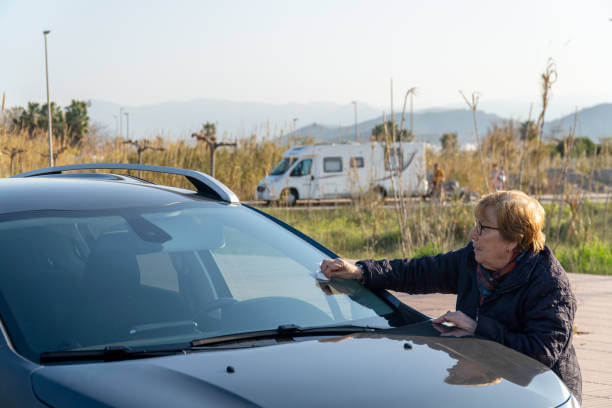
Extended RV ownership is not just about enjoying travel freedom but also about understanding how long-term use affects critical vehicle components. Among these, the windshield plays a central role in safety, comfort, and overall driving confidence. Over years of travel, exposure to diverse road conditions and climates gradually impacts glass strength and clarity. Recognizing how ownership patterns influence maintenance needs allows RV owners to better anticipate RV windshield replacement as part of responsible long-term planning rather than an unexpected expense.
Daily Usage Patterns and Their Effect on Windshield Wear
The frequency and type of RV use significantly influence windshield condition. Full-time travelers place far more stress on their windshields than occasional weekend users. Constant highway driving increases exposure to debris, wind pressure, and vibration. Even short daily trips can accumulate wear over time. Understanding these usage patterns helps owners evaluate when RV windshield replacement becomes necessary to maintain consistent visibility and safety.
Urban Versus Highway Driving Impact
Urban driving exposes windshields to construction debris, sudden braking, and close traffic, while highways introduce high-speed impacts and continuous airflow pressure. Both environments contribute differently to glass deterioration. Minor chips caused by road debris may initially qualify for RV glass repair, but repeated exposure often leads to cumulative damage that makes replacement unavoidable.
Long Term Stress From Road Vibrations
Road vibrations are an often overlooked factor in windshield damage. Over time, constant vibration weakens the glass around existing imperfections. What appears stable for months can suddenly worsen during a long trip. This gradual stress buildup explains why RV windshield replacement is often required even when damage does not seem severe at first glance.
Environmental Exposure Over Years of Travel
RVs are uniquely exposed to environmental elements because they are frequently parked outdoors and travel across regions. Prolonged sun exposure can weaken glass seals, while moisture intrusion during rainy seasons may affect the windshield frame. Dust, sand, and airborne debris further contribute to surface wear. Over years of exposure, these elements collectively increase the likelihood of RV windshield replacement becoming a necessary maintenance step.
Climate Diversity and Glass Fatigue
Traveling between hot, cold, and humid climates places repeated stress on windshield materials. Expansion and contraction cycles fatigue the glass, making it more susceptible to cracking. While RV glass repair may temporarily stabilize small flaws, climate-induced fatigue often reduces repair effectiveness over time.
Storage Conditions and Their Role
When RVs are stored between trips, environmental conditions continue to affect the windshield. Outdoor storage without protective coverings exposes glass to falling debris and UV rays. Indoor storage offers protection but may not be accessible to all owners. Evaluating storage conditions helps determine how often inspections should occur and when RV windshield replacement might be needed before the next travel season.
Repair Versus Replacement in Long Term Ownership
One of the most important decisions in RV maintenance is choosing between repair and replacement. RV glass repair is appropriate for isolated, minor chips that do not compromise structural integrity. However, repeated repairs on aging glass may no longer provide reliable results. Long-term owners often find that RV windshield replacement offers greater peace of mind and reduced maintenance frequency.
Financial Planning for Glass Maintenance
Over the lifespan of an RV, windshield maintenance costs can add up. While repairs may seem cost-effective initially, multiple repairs over time can exceed the cost of a single replacement. Planning for RV windshield replacement as part of long-term ownership budgeting supports financial predictability and avoids emergency expenses.
Safety Considerations for Aging Windshields
As windshields age, their ability to withstand impact decreases. Older glass may shatter more easily under stress, increasing risk during accidents. Proactively replacing aging windshields helps maintain safety standards and reduces reliance on temporary fixes.
The Professional Replacement Process Explained
Professional replacement begins with a comprehensive inspection to assess damage and confirm specifications. Technicians carefully remove the old windshield, preserving the surrounding structure. After preparing the surface, the new glass is installed using adhesives designed to withstand long-term stress and environmental exposure. Trusted providers such as https://rvglassguruco.com/ follow proven procedures to ensure proper alignment, sealing, and durability.
Performance Benefits After Replacement
A new windshield restores clarity and reduces distortion, making driving more comfortable and less fatiguing. Improved sealing enhances insulation, helping regulate interior temperature and reduce noise. These improvements highlight the functional benefits of RV windshield replacement beyond addressing visible damage.
Importance of Quality Materials and Expertise
Using high-quality materials designed specifically for RV applications is essential for long-term performance. Inferior glass may distort vision or weaken prematurely. When combined with expert installation, quality materials reduce the need for repeated RV glass repair and support lasting reliability.
Preserving Windshield Health Through Ongoing Care
After replacement, ongoing care helps extend windshield lifespan. Regular cleaning prevents surface scratches, while careful driving habits reduce impact risks. Monitoring seals and frame condition ensures moisture does not compromise the installation. These practices help maximize the benefits of RV windshield replacement over time.
Routine Inspections and Early Intervention
Periodic inspections allow owners to identify small chips or seal wear early. Addressing these issues promptly through RV glass repair can prevent further damage and delay the need for another replacement. Preventive maintenance supports consistent visibility and safety.
Confidence Built on Long Term Reliability
A strong, clear windshield provides confidence during every journey, whether short or long. Drivers can focus on navigation and enjoyment rather than worrying about glass integrity. This confidence reflects the true value of thoughtful maintenance and timely RV windshield replacement.
Conclusion
Long-term RV ownership requires proactive maintenance decisions that consider both safety and cost efficiency. Windshield wear develops gradually through daily use, environmental exposure, and road stress. Understanding when RV glass repair is sufficient and when replacement is the wiser choice empowers owners to protect their investment. With professional service, quality materials, and consistent care, RV windshield replacement becomes a strategic element of reliable, confident, and enjoyable RV ownership.

